10/18/2025 12:00:00 AM | Wolverine PAWS
Every transfer student-athlete transfers for different reasons. Some want to be closer to home, while others seek opportunities that better fit their athletic or academic goals. In 2022, the NCAA adopted a rule change stating that "athletes who transfer schools for the first time would no longer have to redshirt for a year before competing." This rule change, along with the increasingly popular transfer portal, has made transferring easier than ever. New opportunities and fresh starts can be great for college athletes, but that doesn't make transitioning from one school to another any less difficult. With so many athletes now entering the transfer portal, I believe it's important to recognize some of the effects transferring can have on an athlete.
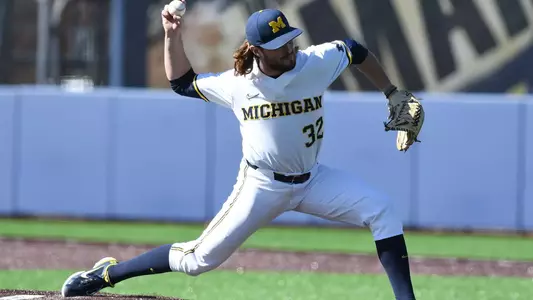
Every athlete has their own story behind their transfer. For me, I wanted a second college experience. I played my first four years of college baseball at Ohio University before deciding to enter the transfer portal after graduating in 2022. With two years of eligibility remaining, I chose to graduate transfer in hopes of finding a new college experience closer to home. I was fortunate to have the opportunity to play the remainder of my college baseball career at the University of Michigan.

Not all transfers share the same experience. Someone who transfers after just one year of college might have a completely different post-transfer experience than someone like me, who transferred after four. Some transitions were easier than others. Having already spent four years in college, I knew what to expect in many ways. However, since I was living off campus and older than many of the other athletes, I often felt like an outsider—distant from the rest of the athletic community.
It was strange starting over again at 22 years old. On my first day on campus, I attended the incoming-athlete orientation, surrounded by hundreds of freshmen. I felt out of place—a recent college graduate among recent high school graduates. It was difficult to bond with people right away. During undergrad, I had built relationships across many teams, creating a small community, but that was all gone. I had to start from scratch, not just forming new friendships, but learning everything: school traditions, navigating campus, and discovering available resources. It was all new. Along with adjusting to a new school, I had to adapt to a new coaching staff and teammates. It wasn't easy at first. It took time to balance a new class schedule with baseball, get to know my teammates, and understand the team's culture and expectations. On top of it all, I still had to compete at a high level and prove that I belonged—something most 22-year-old college students don't have to do.

It was mentally taxing going through the fall, having to compete at an elite level while adjusting to a new environment. I made the big decision to transfer to Michigan over the summer, and I carried the weight of that decision throughout the year, hoping I had made the right choice. I'm sure many other transfer athletes feel the same way. To cope with these thoughts, I immersed myself as much as I could in school life. I found I grew closest with my teammates who were also transfers because of our shared experiences. My status as a transfer also helped me connect with other transfer athletes outside of baseball. We bonded easily and shared stories from our previous schools. I learned about new team cultures and found pride in a school I never expected to attend. I also got to know many members of the athletic department—our nutrition team, academic counselors, athletic counselors, and strength coaches—who made my transition to Michigan much easier.
The journey of a transfer student-athlete is unique and challenging. Whether motivated by a desire for a second college experience, new athletic or academic opportunities, or simply a fresh start, transferring comes with difficulties and adjustments. While NCAA rule changes and the transfer portal have made the process more accessible, the emotional and logistical challenges shouldn't be overlooked. Still, as this experience shows, with resilience, determination, and the support of teammates and university staff, the transition can lead to new friendships, personal growth, and a sense of belonging in a new athletic community.
About the Author
Eamon Horwedel graduated from the University of Michigan's School of Social Work in the Management and Leadership pathway and interned with Michigan Athletics. He transferred from Ohio University to play baseball for the University of Michigan during the 2023–24 season.